Reimagining the Washing Machine through Steel
to Transform an Ideal Vision Into a Product
Designed for Everyday Living
Project
ES-8XS1 Compact Drum Washer/Dryer
Member
-

Manako Kawaguch
Product Designer
-
Akira Haranaka
Design Team Manager
-
Naoya Yoshioka
Washing Machine Planning Manager
-
Kira Furumoto
Washing Machine Planning Coordinator
About the ES-8XS1 Compact Drum Washer/Dryer
When people hear the term “compact drum washer/dryer,” they often imagine a smaller version of a full-size model with the same capabilities. The development of the ES-8XS1, however, was more ambitious.
Heat pump drying systems are inherently large, and incorporating them typically increases the overall size of the appliance. As a result, most heat pump-equipped drum washer/dryers are designed for larger homes, placing them out of reach for smaller households and space-constrained living environments. The ES-8XS1 was conceived to challenge that convention.
The product also features a steel front panel, a rare choice in the domestic washing machine market. Realizing this vision required close collaboration with new partners as we brought together design, engineering, and manufacturing expertise to transform an ideal form into reality despite significant constraints.
First, decide what the ideal form should be. Everything begins there.
— Kawaguchi
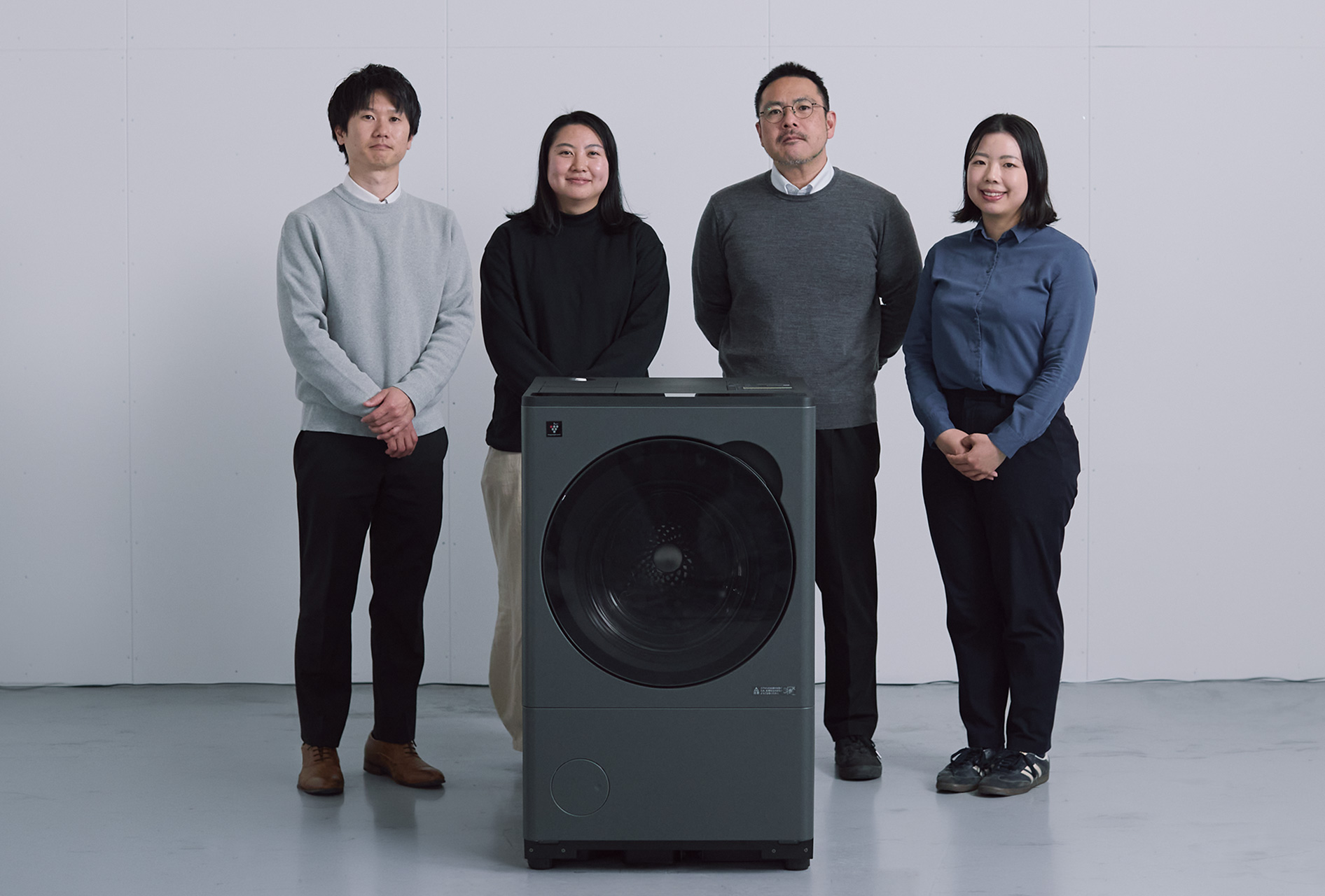
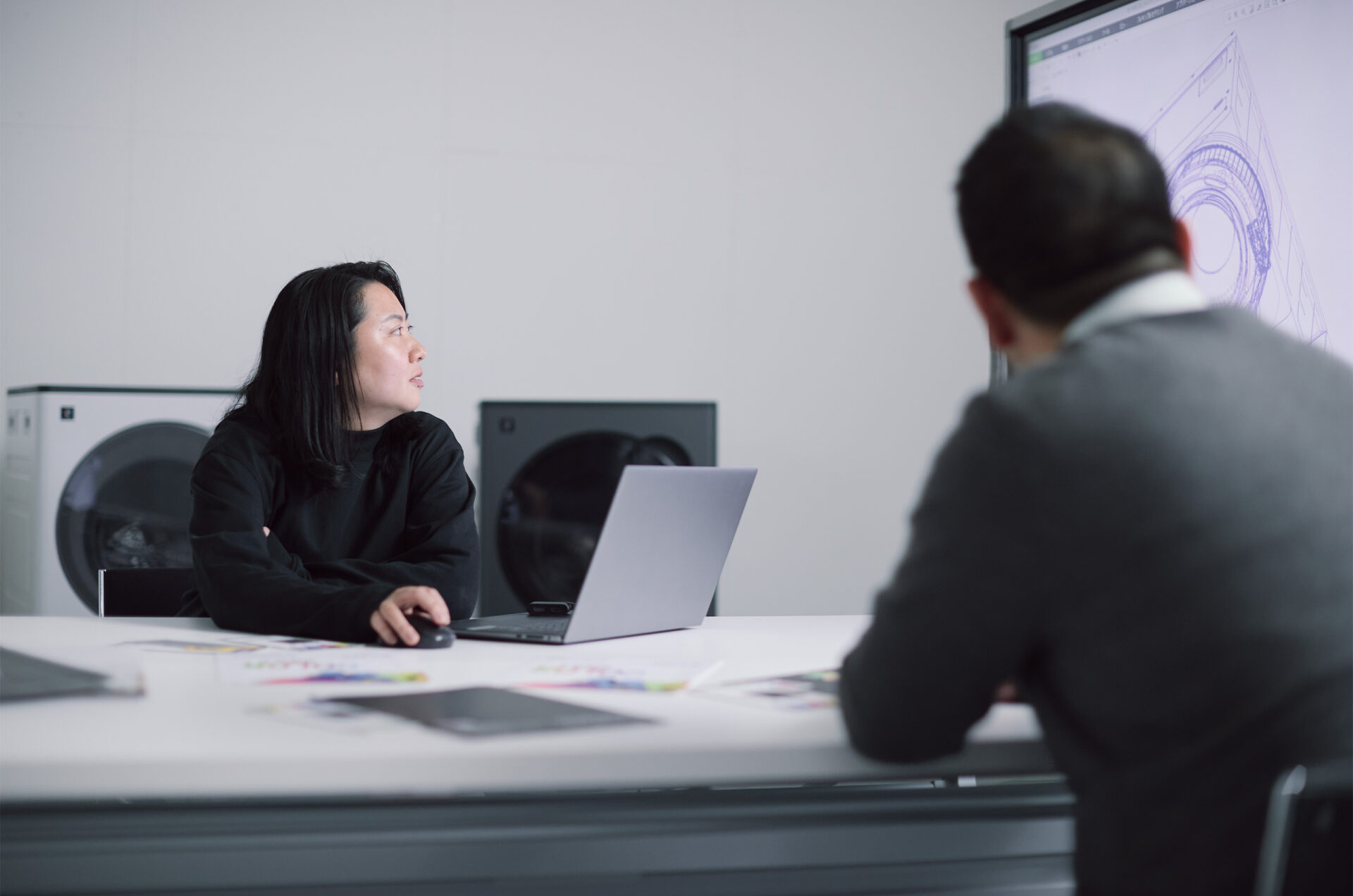
The ES-8XS1 project team
From left:Yoshioka, Kawaguchi, Haranaka, and Furumoto.
Nothing about this project would come easily, but the team moved forward anyway
From the outset, size presented the greatest challenge. Planning Manager Yoshioka recalls:
Keeping the product under 1 meter in height was an absolute requirement. Because heat pump units are so large, our biggest concern was simply whether everything would fit.
The heat pump system occupied a considerable amount of space, making it uncertain from the beginning whether it could be integrated into a compact body under 1 meter tall. At the same time, the product needed to remain affordable for smaller households and visually suited to living spaces where it would be seen every day.
These requirements were demanding, but as the market steadily shifted from conventional heater-based systems to heat pump technology, there was a clear need for a compact model that could deliver the benefits of heat pump drying without sacrificing space. When Kawaguchi, the designer, first heard about the project, she immediately saw its potential.
The moment I heard we were developing a compact heat pump model, I felt it was exactly what the market needed.
Yoshioka and Haranaka shared the same conviction. The project moved forward from that shared belief.
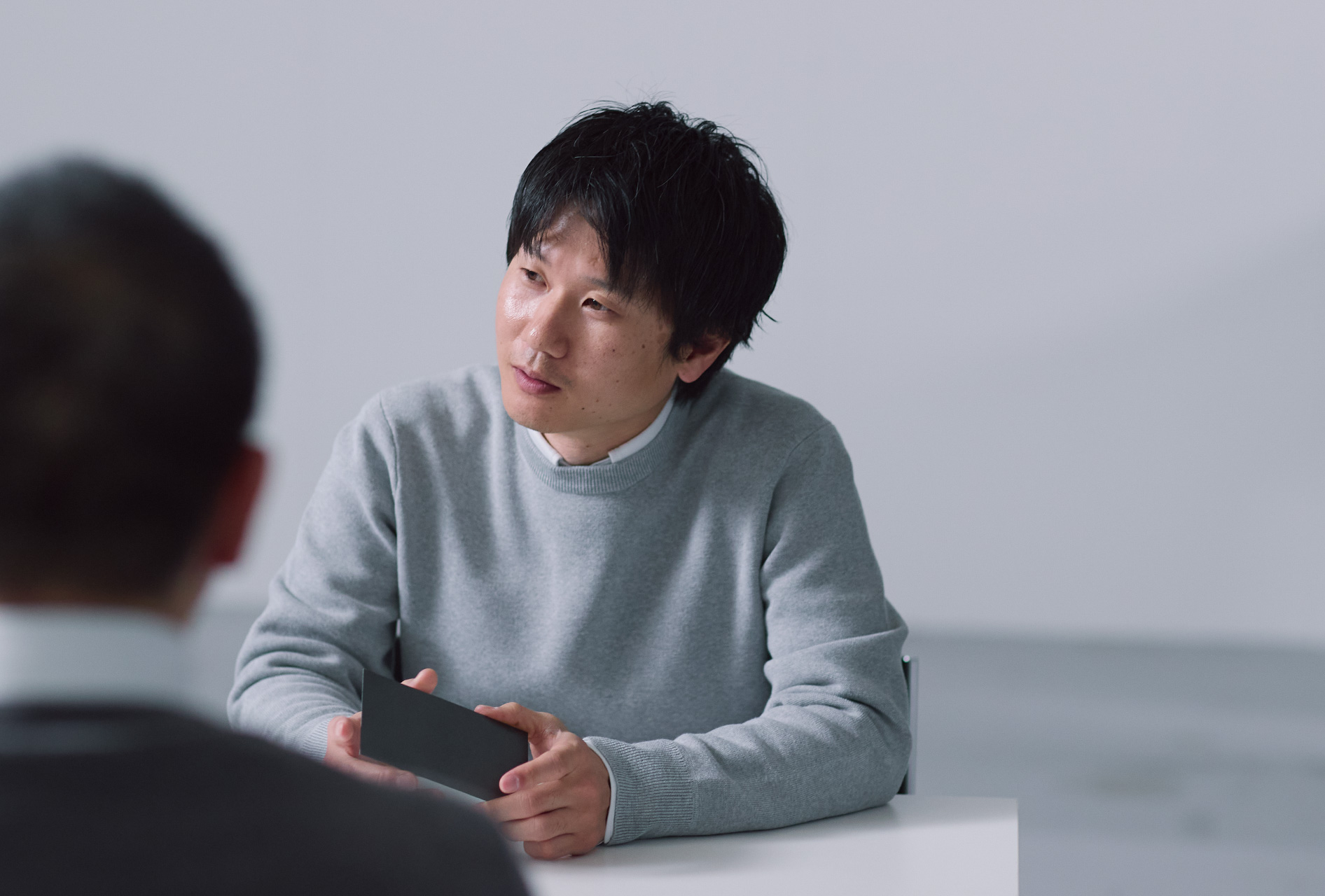
Naoya Yoshioka
Washing Machine Planning Manager
Guided by market trends and evolving user needs, we ventured into unexplored territory through new materials, new partnerships, and new ways of thinking.Guided by market trends and evolving user needs, we ventured into unexplored territory through new materials, new partnerships, and new ways of thinking.
Beyond plastic: The decision to embrace steel
For decades, plastic has been the standard material for washing machine exteriors in Japan. It’s cost-effective, easy to mold, and familiar to manufacturers. Yet even before the project began, Kawaguchi questioned whether it remained the right choice.
Washing machines have traditionally been made from plastic, but I felt it was becoming increasingly difficult to achieve the level of quality and texture people now expect.
Consumers increasingly seek refined, understated finishes in their appliances, but achieving a premium matte appearance with conventional washing machine plastics is challenging, especially in darker colors where molding marks become more noticeable. Large production molds also represent long-term investments that often remain in use for a decade or more, making design evolution difficult once manufacturing begins. For Kawaguchi, the answer was clear from the start.
I intended to propose steel from the very beginning.
Steel offered significantly greater freedom in texture and finish. Yet using steel, particularly on the front surface of a domestic washing machine, had almost no precedent. Unsurprisingly, the planning team approached the idea with caution. Furumoto, the planning coordinator, recalls:
Because it was completely new to me, I had concerns. I wondered whether steel would truly offer enough advantages.
The uncertainty was understandable, but Kawaguchi’s conviction never wavered. The challenge was finding a way to manufacture it.
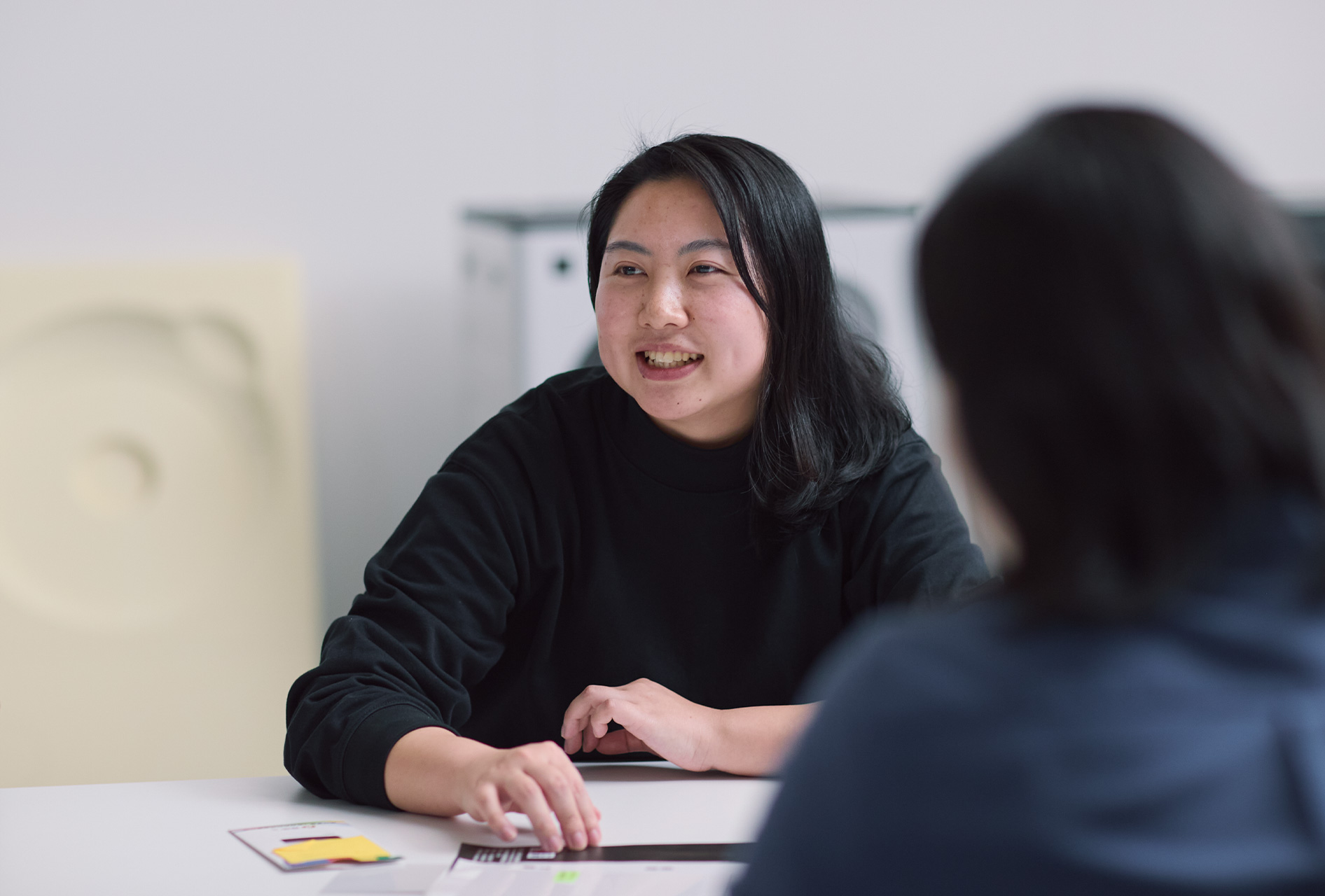
Manako Kawaguchi
Product Designer
The team began by defining an ideal exterior form and then worked tirelessly with engineers and manufacturing partners to transform that vision into a product suitable for mass production.

Reviewing steel material samples
The process began with extensive evaluation of color, texture, and formability to determine the optimal steel material.
Partnership as catalyst: Solving material and cost challenges together
While searching for collaborators, the team discovered a company with deep expertise in steel fabrication.
They were exceptionally skilled in working with steel. They possessed knowledge and capabilities we simply didn’t have ourselves.
The partner brought to the table not only manufacturing expertise, but also a unique procurement network. Together, these strengths helped solve both material selection and cost challenges simultaneously. For Kawaguchi, their willingness to experiment was equally important. They were always willing to roll up their sleeves and try something new, and that approach opened up possibilities the team hadn’t thought possible.
Still, nobody knew whether steel could successfully achieve such a complex form. The first prototype became a defining moment, and the most memorable for Yoshioka.
When I saw the first prototype, it exceeded my expectations. That was when I thought, “This might actually work.”
Many hurdles remained before commercialization. But from that moment onward, the team believed steel could become a reality.
The top panel: Where design and engineering meet head-on
Beyond the steel front panel, the greatest challenge lay in the top surface. As the part users see and touch first, the top panel plays a critical role in shaping perception, but it also faces strict technical requirements, including chemical resistance, which necessitate the use of relatively soft plastics. Kawaguchi’s vision, however, was clear.
I wanted it to feel like a single, elegant plane that naturally blends into the living environment. However, the thinner it becomes, the more susceptible it is to distortion.
Soft plastics are inherently prone to deformation during molding. While slight distortion may seem insignificant, it becomes unacceptable in mass production. To ensure consistent quality, the engineering team pushed for a thicker panel, reasoning that more thickness meant more strength and a more stable shape.
For stable manufacturing quality, we wanted it to be thicker.
Yet increasing thickness compromised the furniture-like appearance the design team was pursuing. Both perspectives were valid. Neither side was wrong, and that fact made finding a solution all the more difficult.
Searching for the right balance inspired the team
Where exactly should the thickness be set? The answer could not be found on paper alone. Explains Kawaguchi:
We wouldn’t know until we built it. But creating those prototypes wasn’t simple either.
Discussion eventually reached its limits as the team needed physical answers, not theoretical ones.
Kawaguchi and the design team produced an extraordinary number of prototype panels in varying thicknesses, far more than would normally be created for a project of this kind.
We produced an enormous number of samples. Much more than we normally would.
As they examined each version, a threshold began to emerge: the point where the appearance retained its furniture-like elegance without compromising manufacturability. The designers’ determination inspired the engineers in return. If design was willing to push the boundaries, engineering wanted to rise to the challenge as well.
At the same time, countless specification details were being refined. Furumoto recalls,
I believe even the smallest details deserve careful attention.
The work was not glamorous, but the cumulative effect of refining every specification, one by one, ultimately defined the quality of the final product.
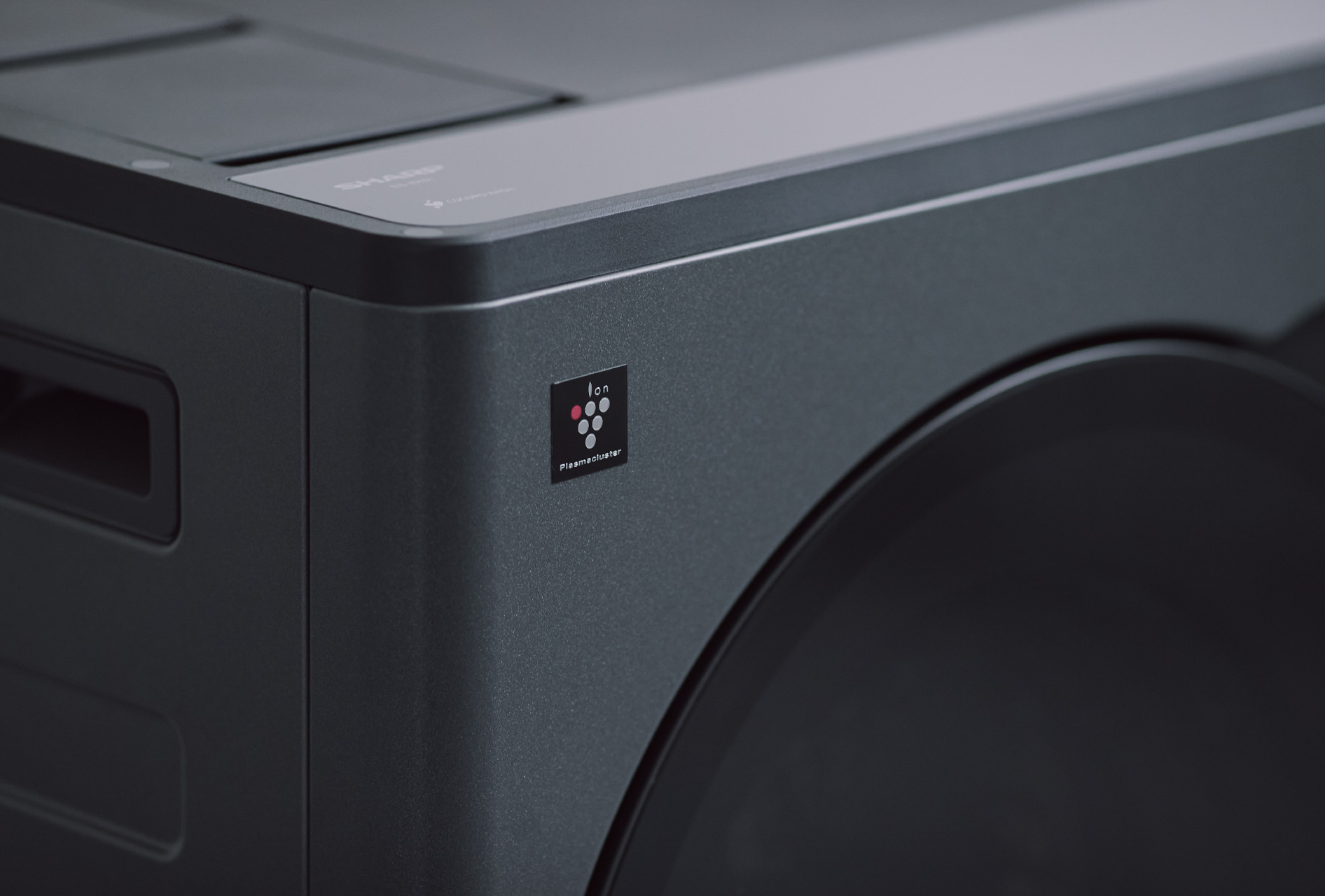
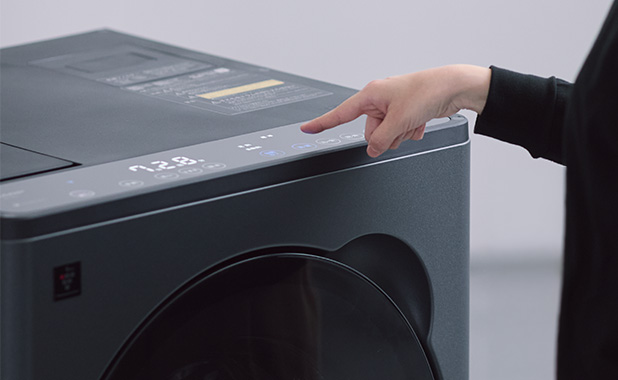
ES-8XS1 top panel
Designed with the minimum possible thickness, the top panel creates the impression of a single, uninterrupted surface.

Kira Furumoto
Washing Machine Planning Coordinator
From overall product specifications to the smallest operational details, every aspect of the product was carefully reviewed and refined.
Knowing where to compromise
Projects with significant constraints rarely allow every ideal to be realized exactly as envisioned. At some point, choices must be made. For Kawaguchi, the criteria were clear.
First define what you believe is best. Then decide where compromise becomes acceptable.
For the team, that benchmark was simple: Would users find the product attractive and meaningful in their everyday lives? Having that standard provided clarity when evaluating technical limitations, cost considerations, and manufacturing realities. Haranaka, the design team manager, reflects:
Even when someone says it’s impossible, my instinct is to think, “There must be a way.”
Whenever technical challenges emerged, the team searched for alternatives rather than accepting limitations at face value. Haranaka repeatedly worked with engineering teams to ensure that the quality envisioned in Kawaguchi’s bold designs could be realized. Design set the direction, and the entire team moved toward it. And through that repeated process, the project steadily took shape.
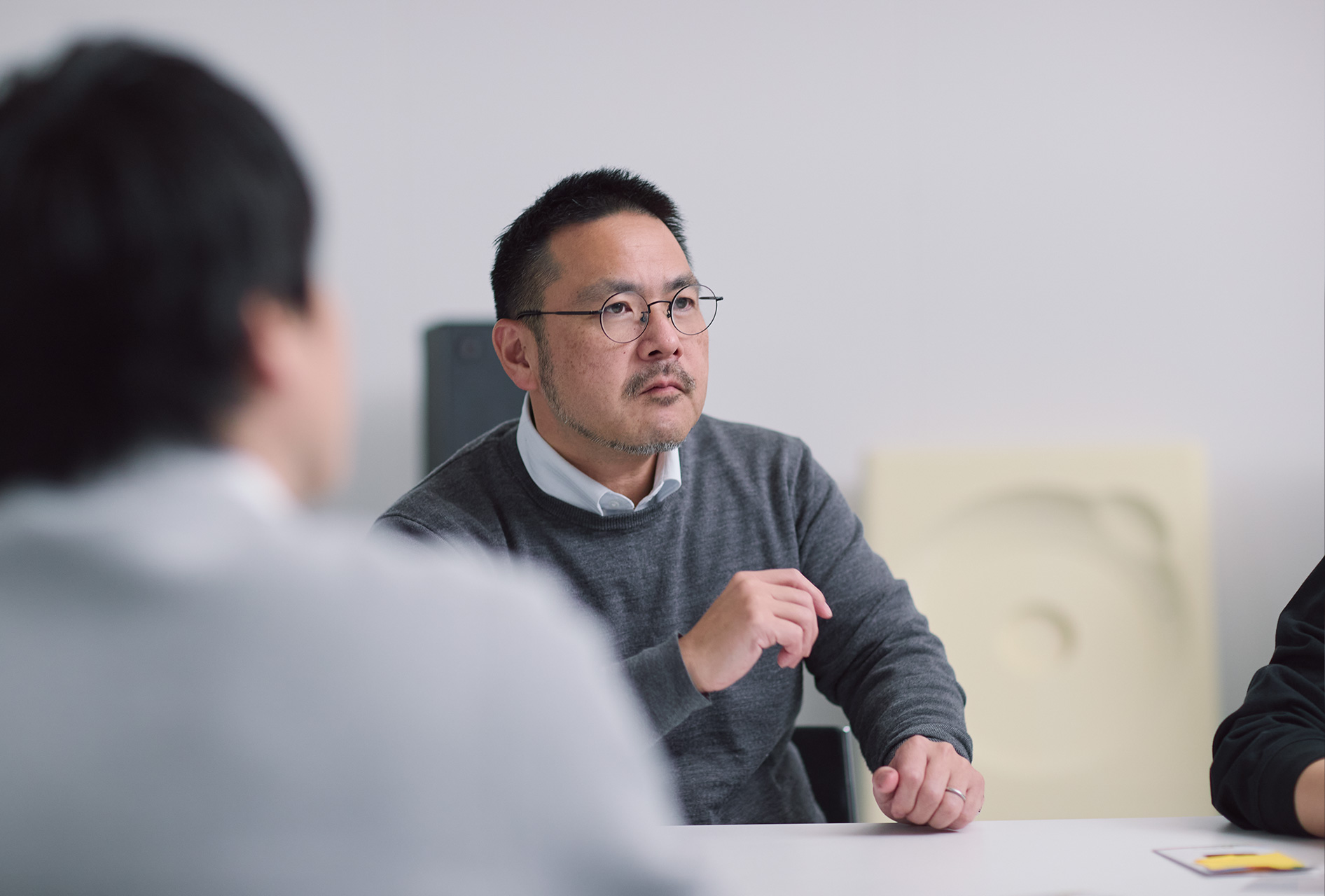
Akira Haranaka
Design Team Manager
Responsible for maintaining the integrity of the design vision, Haranaka helped bridge design and engineering to transform ambitious ideas into a refined, production-ready product.
Beyond simply making things
To conclude the interview, the team was asked what advice they would offer someone tackling a project filled with constraints.
Kawaguchi answered immediately.
Communication. You have to meet people and talk directly.
Throughout the project, she made a point of visiting both business and engineering partners in person. Some things can only be communicated face-to-face.
Furumoto:
I believe Kawaguchi’s attitude helped inspire and motivate our partners as well.
Yoshioka:
Creating products is never a one-person effort. It depends on mutual respect.
No product can be created alone. Only because everyone shared the same goals was the team able to overcome such a difficult challenge.
Haranaka:
Knowing where to compromise is critically important.
The more constraints a project has, the harder it becomes to identify what truly matters. Because the team clearly defined its priorities, the overall quality of the product improved.
The decision to use steel achieved far more than a distinctive appearance. It enabled a more compact design, simplified the product structure, and reduced plastic usage. By imagining an ideal product first and then refining it through relentless dialog, experimentation, and collaboration, the team succeeded in creating a washer/dryer that opens new possibilities for people who once believed a drum washer/dryer simply would not fit into their lives.